Kshitij Pandey / Astro Kshitij
Kshitij means horizon, welcome to mine
The universe is stranger than you think, follow the light
01
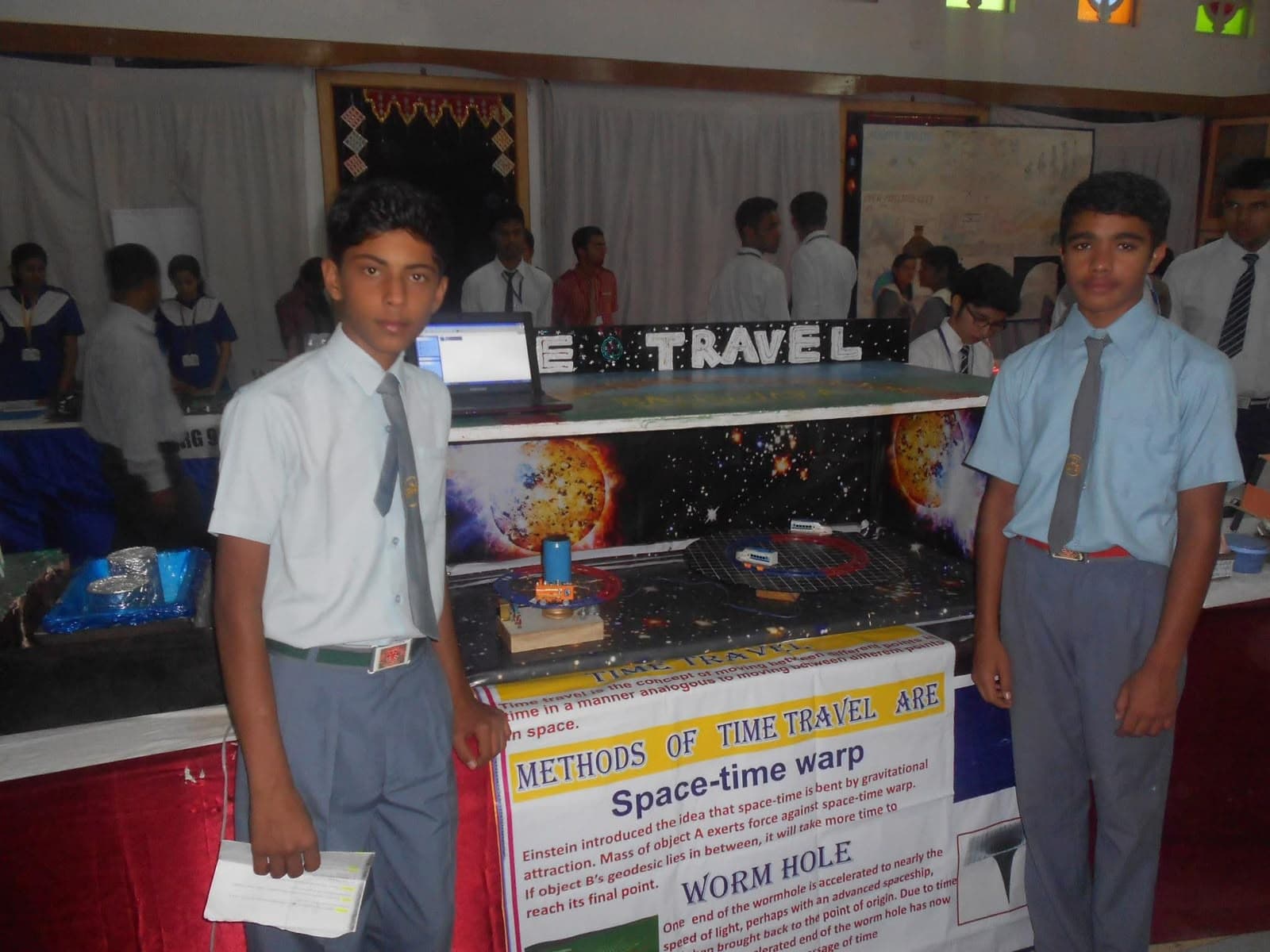
Curious since class 2
By class 9, that curiosity had its own stall at the science fair: time travel and wormholes
02
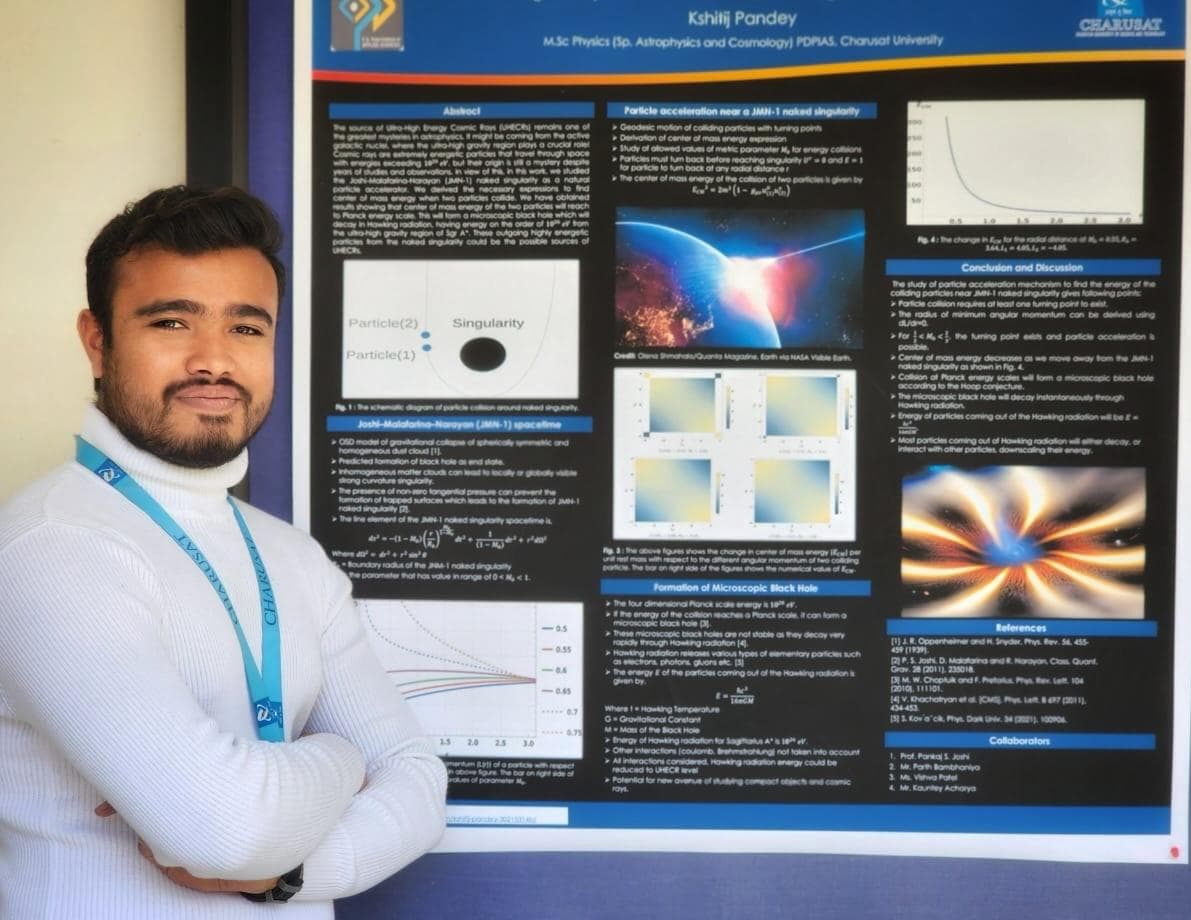
Then I picked one hard question
In my MSc in astrophysics, I co-authored research on particle collisions near naked singularities
03
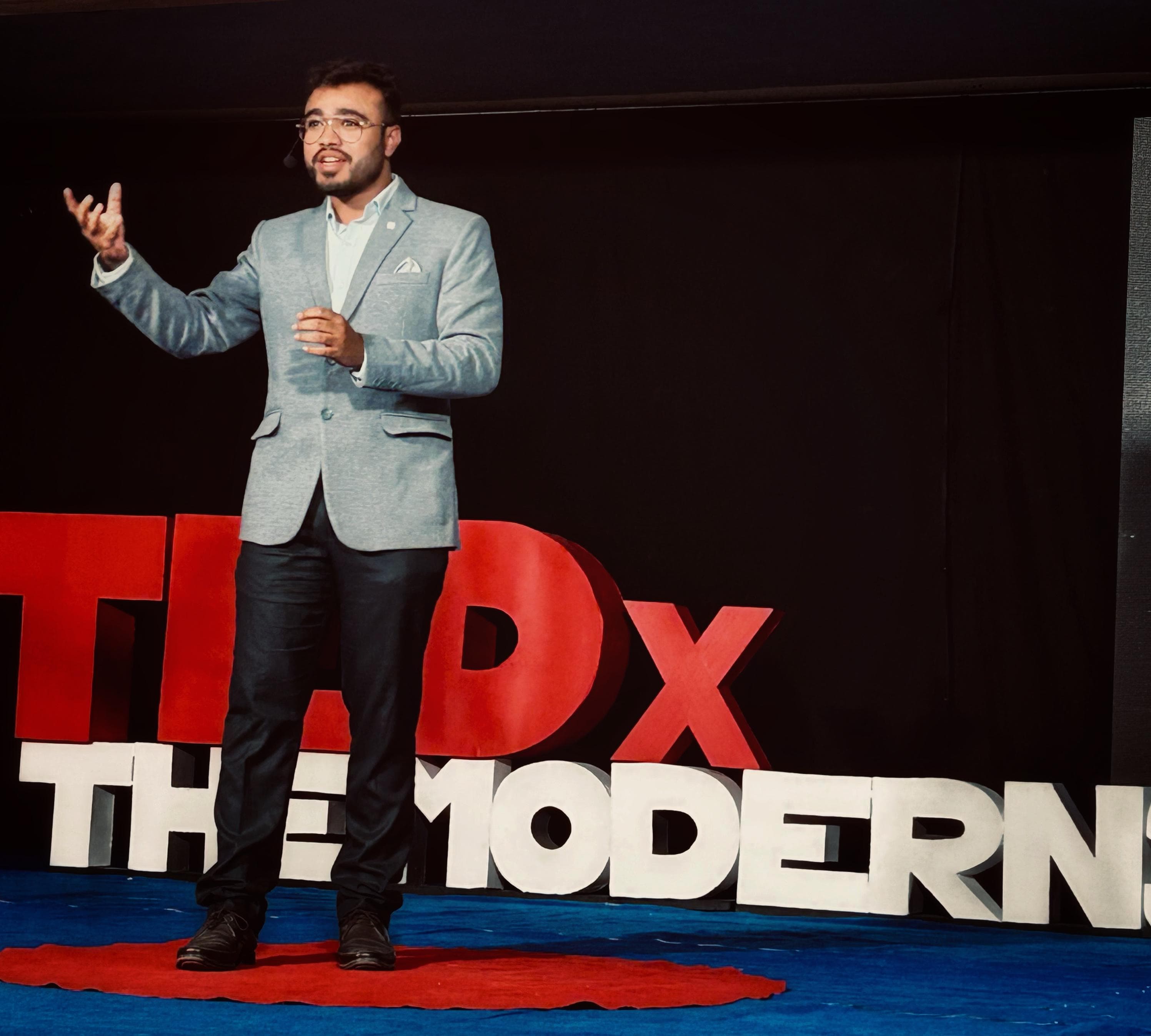
Ideas travel further when they’re shared
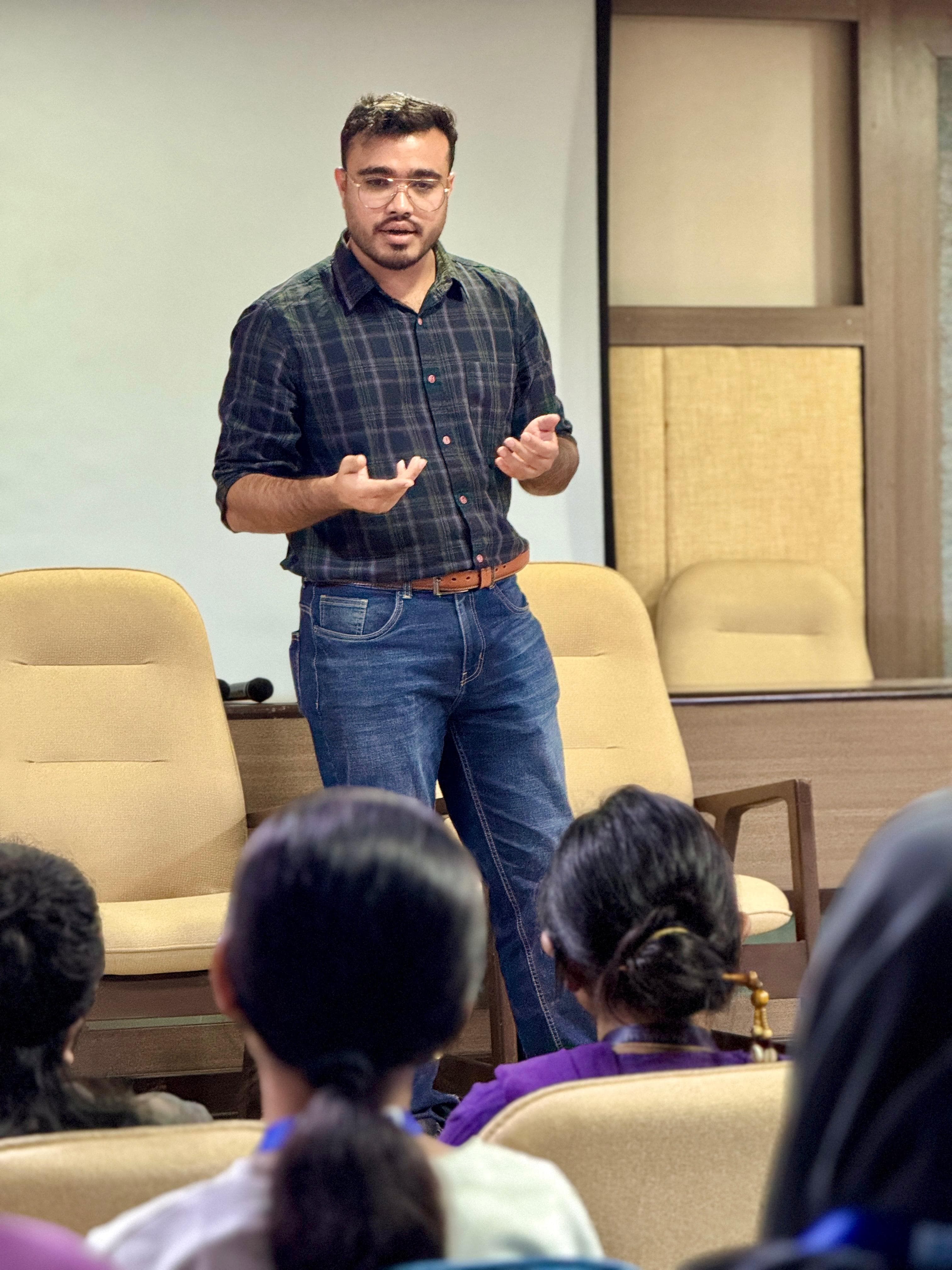
On stage and on screen, I make physics something you can picture, not just memorise
04
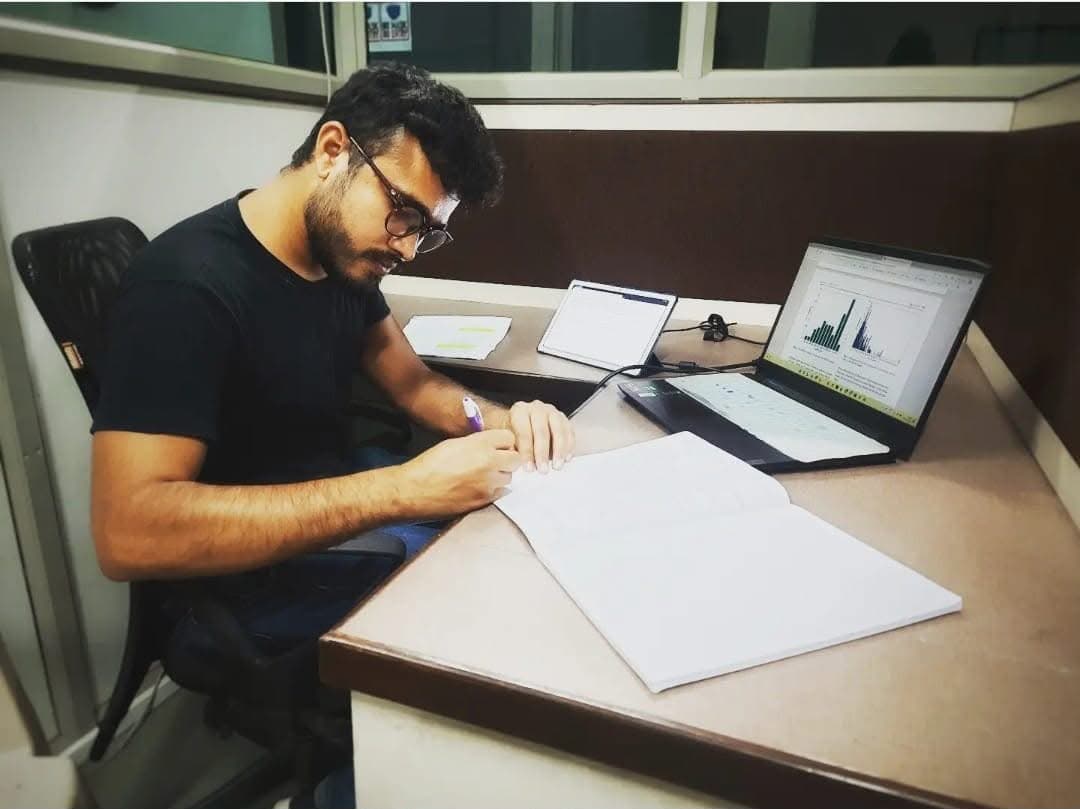
One claim at a time
Myths, viral facts, “ancient science”: I test them and show my working
05
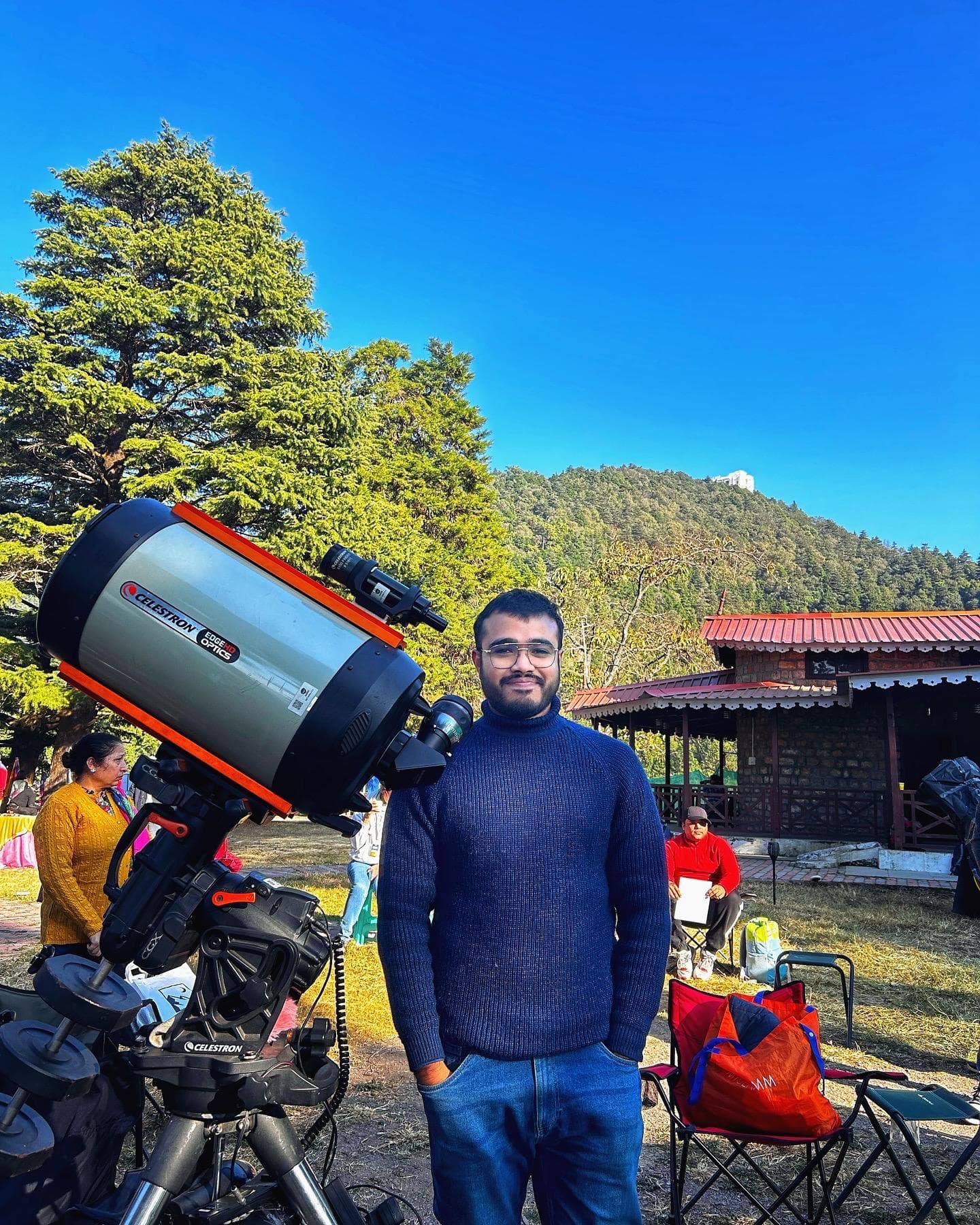
The bigger picture keeps growing
Today it’s physics, plus growth, AI and building useful products
Tell me what you’re working on, or what you’re wondering about
About the light
These clips are 3D renders made in Blender from the same calculations the site's tests check, not a live simulation. Sunlight reflects off a flat mirror into a glass prism; each colour is refracted at both faces with Snell's law, with the spread enlarged seven times so it is visible. A pinhole passes a narrow green band and a lens collimates it, which prepares the light to be coherent enough for the slits; picking a colour alone would not do that. Two vertical slits give vertical bright and dark bands. The detector pattern is calculated for 530 nm light, 35 µm slits 180 µm apart and a screen 1 m away (36 mm across), including the single-slit envelope. Each dot is one detection drawn from that distribution; a detected photon is absorbed. The curve is the probability, drawn as a guide. Wave spacing, sizes and timing are schematic, and the visible beams stand for light scattered by dust: in a vacuum you would not see a beam from the side.